
Showing posts with label cancer industrial complex. Show all posts

Tuesday, June 19, 2018

The Ubiquitous Insidious Tentacles of Abortion
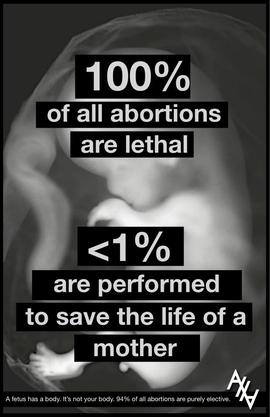
Under the euphemistic banner of "reproductive rights" "reproductive health" and/or "pro-choice", etc, very little is said about the physical, psychological, and spiritual consequences  of the giant octopus that is abortion despite the fact that it has extended its insidious tentacles into each and every one of our lives, either directly or indirectly. Because even if you have not experienced an abortion, it's almost certain you have a relationship --daughter, granddaughter, girlfriend, wife, mother, sister, niece, friend, co-worker, etc.--with someone who has, and just like the ripples that spread from a single pebble cast into a pond, small waves ripple outwardly and incrementally after each and every abortion, affecting every potential relation to that innocent life who never had a chance.

Of course, the negative impact of abortion on the mother's physical, psychological and spiritual health far outweighs the impact on everyone else. The multiple physical and emotional complications of the procedure can be life-changing insofar as the woman may experience:
  • damage to the cervix,  
  • scarring of the uterine lining,  
  • perforation of the uterus,  
  • damage to other organs
  • inability to conceive in the future,  
  • higher rates of miscarriage and premature birth  in subsequent pregnancies,
and in studies across the United States and in other countries, it has been found that women who have had abortions have 

  • increased their risk of getting breast and/or cervical cancer by over 50 percent.  
 Regarding cancer, the same is not true for pregancies terminated naturally--miscarriage--because unlike induced abortion, the mother's hormone levels never reach that of a normally developing pregnancy.

Moreover, it's been found that abortion before the birth of a first child is, in particular, highly carcinogenic, because as most of us know, early first full term pregnancy lowers a woman’s risk of getting breast cancer, so if that pregnancy is terminated unnaturally, that protection not only disappears, the abortion is potentially weaponized to turn against the mother in the future. In other words, women who abort their first pregnancy not only don’t get the protective effects of a first full-term pregnancy and don’t receive the protective effects of breast feeding, they've increased their chances of getting cancer, experiencing infertility, etc. over and above that of never having gotten pregnant in the first place.

Keep in mind that less than 1% of all abortions (60 million since 1973) occur because of rape, incest, birth defects or to save the life of the mother, so the use of this argument is very obviously a smoke screen. Moreover, abortion to save the mother’s life was legal before convenience abortion was legalized and would continue to be if abortion were made illegal again.

Abortion Cancer Link

The first study to find the link between abortion and cancer came out in 1957--over 60-years ago--yet the billion dollar cancer foundations/organizations, the mainstream media, the medical industrial complex, Planned Parenthood, etc. not only stay silent and refuse to warn the public, they actively engage in deceiving the public.

 In fact, the abortion breast cancer link in some of these statistically robust studies confirm abortion is stronger than any other risk factor for breast cancer such as advanced age, having a family history of breast cancer, being childless, etc..
Gill pointed out that the Surgeon General decided to require warning labels on packs of cigarettes highlighting the link between smoking and birth defects when there were only seven studies that showed such a link.

Today, there are more than seventy-eight studies showing a link between abortion and breast cancer and yet most women remain unaware that there is any connection.
In 1989, one study (Holly L. Howe et al., “Early Abortion and Breast Cancer Risk among Women under Age 40,” International Journal of Epidemiology 18, no. 2 (1989): 300-304) relied on New York state medical records reported that abortion increased a woman’s risk of getting breast cancer by 90%.

Then, in 1996, Dr. Joel Brind (J. Brind et al., “Induced abortion as an independent risk factor for breast cancer: a comprehensive review and meta-analysis,” Journal of Epidemiology  Community Health 50 (1996): 481-496) combined the statistics from 23 different worldwide studies and found a 30% increase of breast cancer risk among women who chose abortion after already giving birth and a 50% increase of breast cancer risk among women who chose abortion before giving birth.

Another study (A.E. Laing et al., “Breast cancer risk factors in African-American women: the Howard University Tumor Registry experience,” Journal of the National Medical Association 85, no. 12 (1993): 931-939) done on African-American women by researchers at Howard University showed that African-American women over 50 were almost five times more likely to get breast cancer if they had abortions compared with women who had not.
Fifty-eight out of 74 worldwide studies dating back to 1957 have shown that abortion increases a woman’s risk of getting breast cancer. Nineteen of the 24 studies done on women from the United States show an increased risk of breast cancer associated with abortion.
and
In 2014 the prestigious Medical Journal Cancer, Causes, Control published a huge systematic review and meta-analysis of 36 studies across China. They found that women who have at least one abortion, have a substantial 44% increased risk for getting breast cancer; compared to women who did not have an abortion.
Yet,
while the media is comfortable telling women not to take hormone replacement therapy because of the increased risk of breast cancer, it refuses to extend the same logic to abortion and its effects on estrogen levels in the body. If both result in increased estrogen levels without a subsequent maturation of breasts’ cells, then logically both can result in increased breast cancer risk."

The Power of Words to Deceive Humanity is Unmistakable.


As George Orwell said, If thought corrupts language, language can also corrupt thought, and as he predicted, language is growing ever more deceitful every day.
Given such a grave situation, we need now more than ever to have the courage to look the truth in the eye and to call things by their proper name, without yielding to convenient compromises or to the temptation of self-deception. In this regard, the reproach of the Prophet is extremely straightforward: **“Woe to those who call evil good and good evil, who put darkness for light and light for darkness” **(Is 5:20). -Evangelium Vitae “The Gospel of Life”, n. 58
Since the landmark decision issued in 1973--Roe v. Wade, the abortion industry has profited immensely from the approximate 1.4 million lives it takes every single year, of which more than half of those "choosing" abortion are younger than 25 years old. (52% to be exact). It accomplishes this by the subversive use of language, attempting to minimize the reality of abortion, using convenient doublespeak and replacing realistic terminology with euphemisms to assure and assuage the gullible public and to cloak its menacing presence in "liberty," "freedom" and "choice."

For instance, when a woman is pregnant and she wants the baby, she will say "I'm having a baby" no matter where she is in her pregnancy. However, when she doesn't want the baby, they call what they want to destroy “tissue.”

Abortion and Systematic Eugenics

Abortion is one of the most identified liberal causes of modern politics, right up there with equal rights for women, African Americans and other minorities. Yet, the founders of the abortion movement were racists who despised the poor, and who advocated abortion as a means of eliminating the poor and undesired races.

We most associate eugenics with the Nazis, but the term "eugenics" was coined in the mid 1800’s by Francis Galton, the cousin of Charles Darwin, and became a very popular movement to create a society in which those who were considered “superior” would reproduce, while those who were deemed “inferior” would be strongly and sometimes forcibly encouraged not to reproduce. Margaret Sanger, founder of American Birth Control League, which later changed its name to Planned Parenthood, and member of the American Eugenics Society, was a strong suppoter of the eugenics movement. She even met with members of the Klan, and supported the use of sterilization to rid the planet of the “unfit.”

In Margaret Sanger’s “Birth Control and Racial Betterment,” the Planned Parenthood founder links the goals of eugenics with her own goals of promoting birth control:
We who advocate Birth Control, on the other hand, lay all our emphasis upon stopping not only the reproduction of the unfit but upon stopping all reproduction when there is not economic means of providing proper care for those who are born in health. …While I personally believe in the sterilization of the feeble-minded, the insane and syphilitic, I have not been able to discover that these measures are more than superficial deterrents when applied to the constantly growing stream of the unfit… Eugenics without Birth Control seems to us a house builded upon the sands. It is at the mercy of the rising stream of the unfit….
In 1932, Sanger called for the poor and those she considered to be “morons and immoral” to be shipped to colonies where they would live in “Farms and Open Spaces” dedicated to brainwashing these so-called “inferior types” into having what Sanger called better “moral conduct.”

In Sanger's book "Pivot of Civilization", she referred to the urban poor, and their increasing numbers, as "an ever widening margin of biological waste." (p.134.), and one of her mottos was "More [children] from the fit, less from the unfit." (p.104 & 179.) Margaret Sanger wasn't the only founder of the abortion movement with racist and eugenicist ideals. Co-founders and board member Lothrup Stoddard wrote the book The Rising Tide of Color Against White World-Supremacy, which was reviewed favorably in Birth Control Review, and co-founder and board member, C. C. Little, was president of the Third Race Betterment Conference, and he advocated preserving the purity of "Yankee stock" through limiting the births of non-Whites.

It's significant that Planned Parenthood continues to support Sanger with no qualifiers.
But has Planned Parenthood changed? It is significant to note that Planned Parenthood has never distanced itself from the vision and ideology of its founder. Successive presidents of the organization have praised her work, including Faye Wattleton, who said, "As we celebrate the 100th birthday of Margaret Sanger, our courageous leader, we should be very proud of what we are and what our mission is. It is a very grand mission; abortion is only the tip of the iceberg." (Faye Wattleton, president Planned Parenthood Federation of America, speech, February 5, 1979.)

One can only wonder how abortion rights came to be adopted by liberals in the Democratic Party, or any other party. It is difficult to image how it came to be identified with other liberal causes. Through a slick media campaign and effective sloganeering, Planned Parenthood painted abortion as a compassionate and caring alternative to childbirth. Their motivation however may be altogether different. It seems that abortion still today, rather than being seen as a way of helping the poor and minorities, is considered the easiest solution for our economic problems. Don't help the poor, just eliminate them.
Moreover, on par with the eugenics movement of the late 19th and early 20th century, advances in biotechnology have made the possibility of "desinger babies" almost certain. The technology to choose socially advantageous  characteristics of your child using a process called pre-implantation genetic diagnosis already exists. As it is, pre-screening gives parents the choice to eliminate babies who fail to meet their standards or desires.  As it is, with the pressure to produce "superior" or "trophy" offspring, "helicopter" and "snow plow" parents try to transform their children into "achievement machines." In this kind of consumerist environment where survival of the fittest is fully embraced "mistakes" or "unfits" are and will continue to be aborted as the dehumanizing of socitiey continues to escalate. Iceland has nearly eliminated children with Down syndrome through systematic abortion, and in the U.S., it is estimated that the vast majority of babies diagnosed with Down syndrome are aborted.
James Hughes, a bioethicist and director of the Institute for Ethics and Emerging Technologies, says that the right to choose a child’s traits, cosmetic or not, should be part of a parent’s basic reproductive freedoms. Reproductive freedoms shouldn’t apply just to contraception and abortion rights, Hughes tells Big Think. “They also include the freedom to have children, and the kind of children we prefer.”
According to the history books, the Nazis lost the war, yet, eugenics is not only alive and well, it's accelerating beyond the Nazi's wildest dreams, and abortion is one of its most efficacious tools, or dare I say, weapons.

Abortion and Population Control

In what some tout as an overpopulated world, some advocate the right to an abortion in the cases of overpopulation, poverty, and financial burden, so isn't abortion justified for population control and to ease the financial and emotional burden a child may put on a family? On society?

First of all, overpopulation is a Myth It’s been calculated that the entire world population of 7 billion people could be placed in one gigantic city within the borders of the state of Texas. Our problem is not too many people and not enough resources, very simply put, it's a problem of waste, greed, government inefficiency, and distribution of resources.

Secondly, the European and U.S. birthrate are below replacement levels. Consider that zero population growth requires women must bear 2.1 children. Well, since 1972, there have only been two years where the fertility rate has reached at least 2.1 children. In fact, it's gotten so bad that several countries around the world, including Germany, Singapore, Japan, and Russia, even offer prospective parents incentives for having a baby.
Contrary to what you might hear, the most pressing problem in country after country today is not overpopulation, but underpopulation. In a time of fiscal austerity, the last thing that we need to be doing is spending more tax dollars to drive down the birth rate, reducing the amount of human capital available, and making us all poorer in the long run--Steven W. Mosher, President of the Population Research Institute (PRI)
If nothing else, legalized abortion has resulted in over 60 million fewer taxpayers in America to support the elderly.


Many abortion laws lay down a stage of pregnancy after which abortion is unlawful, yet as you can see from the picture above, how early in its life the baby begins to acquire human characteristics. At the moment of conception, the embryo receives its own unique genetic code, distinct from that of its mother or father, from the moment a sperm fertilizes an egg, a new individual of the human species is formed and the innate sacredness of human life is evident, a life that can receive and react to personal care from others, a minimal mark of a human being. The evidence of that uniqueness supports the belief that ensoulment takes place at conception, and even if you are unsure that this is true, isn't it always better to err on the side of life? In other words, as long as the mother's life is not in danger, isn't it always better to err on the side of life?
All the DNA is there from conception and the heart begins to beat four weeks after conception!
Why does the mainstream media not only completely ignore the risks of abortion, but promote flawed studies to counteract the evidence of the abortion cancer link?
Why do the billion dollar Cancer organizations and societies supposedly devoted to stopping cancer not only  remain silent, but actively deny the abortion cancer link?
Why are we fed euphemistic language to encourage support of abortion?
Why do the politically-funded national medical organizations refuse to link abortion with cancer, and refuse to acknowledge the negative reprecussions of abortion, instead advocating abortion as "reproductive health"?
Why does the establishment and culture promote abortion and associate it so strongly with civil rights, with women's rights, with freedom and liberty?
Why is it that anyone who is pro-life, or anti-abortion is immediately designated misoginistic? Anti-women's rights?
Why do the abortion elites proliferate abortion clinics in low-income and minority neighborhoods?  Why are abortion patients disproportinately poor? Why do we celebrate the eugenicist, Margaret Sanger, founder of Planned Parenthood and why do we obscure her outspoken support for eugenics?
Why is Margaret Sanger a hero?
Why do we empower women to avoid having babies?
Why do we embrace the disregarding of human life?

The answers to these questions and many more require one to open his or her eyes and see the "profit before people" "efficiency-before-people" "power before people" wealth plundering dehumanizing establishment for what it is.  Because the more abortion is embedded into the laws and practices of society, the more insensitive and dehumanized we become because we have sanctioned the right to dispose of the life of the weakest and most defenseless members.
If we say that a mother can kill her own child, how can we tell other people not to kill each other?" -- Mother Teresa
The Business of Abortion "Blood Money"


Links:

Tax Forms Show Buffett, Wealthy Elite Fund Planned Parenthood/World Abortion Empire with hundreds of millions of dollars

Abortion Facts

The State of Abortin in the United States January 2018

National Right to Life
Baby Killing Tourism and the Death of a Culture


The Ripple Effect of Abortion

Studies that Confirm the Abortion-Breast Cancer Link

Informed Concent or Institutionalized Eugenics? How the Medical Profession Encourages Abortion or Fetuses with Down Syndrome.


Planned Parenthood Founder Margaret Sanger Spoke to the Ku Klux Klan and Supported Eugenics. So Why Does the Organization Still Honor Her?Margaret Sanger: More Eugenic Than Fellow Eugenicists

Cruelly Crushed by Abortion

Breast Cancer and the Politics of Abortion in the United States

Abortion - A Liberal Cause?

Researchers Uncover Hidden Risk Factor For Breast Cancer

The Breast Cancer Epidemic: Modeling and Forecasts Based on Abortion and Other Risk Factors

The Overpopulation Myth and the New MoralityThe Overpopulation Myth

Do laws work to stop abortion?Canada Silent No More

Abortion: Issues and Controversies

Live Action
Abortion


HUSH

Former Satanic ‘high wizard’: We must fight abortion with spiritual weapons

Former Satanist: ‘I performed satanic rituals inside abortion clinics’

Read more...

Saturday, April 07, 2018

Better Call Saul: Is Chuck Really Crazy?

I have no doubt in my mind that at the present time the greatest polluting element in the earth’s environment is the proliferation of electromagnetic fields."  -- Dr Robert O. Becker, twice nominated for the Nobel Prize in Medicine

Like fish in water, so immersed in the substance they're oblivious to its content, we are mostly oblivious to the electronically pulsed and poisoned air that surrounds us...that is, oblivious unless you're part of the 4% of us that is electro-hypersensitive (EHS).  Then you literally feel the artificially hyped-up electromagnetic fields (EMF) that permeate every part of our environment today.  Therefore, the most important question should be: “What is the effect of EMFs on human health?”  Well, good luck in getting truthful answers to that question and many others.

In our profit-before-people milieu--and in this case, wireless profits before people-- the true answers to this question and many others  are often corrupted, suppressed, sabotaged, subverted, etc., in the interests of profit power and almighty "progress".

In Breaking Bad spinoff, Better Call Saul (BCS), Chuck McGill, Saul/Jimmy Goldman/McGill's successful attorney brother, is portrayed as crazy, because he claims to be allergic to electricity, allergic to electromagnetic fields: electromagnetic hypersensitivity (ESH). In the presence of objects with an electric pulse, Chuck suffers from painful symptoms such as heart palpitations, brain fog, headaches, insomnia. Everyone--viewers and fictional characters, alike-- believe Chuck's disease is psychosomatic, in his head.  In other words, Chuck is mentally ill, not physically ill. Naive viewers, many of whom never heard of this disorder, now believe that EHS isn't real, that it's a phony disorder, which, I guess, is the point of Chuck's somewhat despicable, somewhat pitiful character (in relation to his lovable brother, anyway)

Prior to the explosion of  cell phone use, in 2003, the British television series, Judge John Deed (season three, episode one, entitled, "Health Hazard") profiled a case against a mobile phone company. In this episode, a woman with grade 4 astrocytoma sued the phone company for causing her brain tumor.
Judge John Deed: If this cell phone case were to go against the company, it could prove difficult for you.
Sir Ian Rochester: Not me personally.
Judge John Deed: I mean, it could open a floodgate of litigation. Like with asbestos and tobacco.
Sir Ian Rochester: We’d regard it as a great favor if you were to let it go back to Monty Everard in the Strand.
Judge John Deed: The claimant is very poorly and she lives locally. It seems unkind to ask  her to go all the way up to London.  On the other hand, being owed a favor by your lot might be a very good position to put myself in. 
Sir Ian Rochester: We would be grateful.
Judge John Deed: Is Monty Everard amenable to pressure?
Sir Ian Rochester: Ah. Does that mean you're not interested in what we might offer you?
Judge John Deed: Just no convinced you could deliver.
Sir Ian Rochester: You'd have my word.
Judge John Deed: Then talk to me about my elevation to the Appellate Bench.
Sir Ian Rochester: The Lord Chancellor regrets not having a mind such as yours in the Appeals Court.
Judge John Deed: And this ridiculously unfair PCC hearing against Mrs. Mill being dropped.
Sir Ian Rochester: The Lord Chancellor's department had very little influence there.They're all reasonable men on the Disciplinary Tribunal.
Judge John Dee: Well, the only question remaining, then, Ian, is can we achieve all this within the next 20 minutes?
Sir Ian Rochester: I hardly think that practicable.
Judge John Dee: Because that’s when I’m hearing the arguments for directions in the mobile phone case.
Sir Ian Rochester: We respect the integrity and independence of the judiciary, Sir John. But there comes a point when its very existence depends upon a workable relationship with the Executive. Never more so then in the case you’re about to hear.
Judge John Deed: See, with the license revenue from the mobile phone companies at stake, well, what it, $22 billion; this workable relationship might easily deteriorate into a master-servant relationship.  Couldn't it, Ian?
After this discussion between the Judge and Sir Ian, they were evacuated from the court house because of a bomb scare.  Coincidence?  Judge John Deed didn't think so. Later in the episode, the following barristers argued about the evidence:
Barrister George Channing:They have in their possession erased emails sent by my clients and to my clients. These they obtained in contravention of the laws of procedure.
(After more discussion about procedure)
Barrister Jo Mills: The documents contain a report showing a causal link between the radiation in the form of microwaves produced by cell phones and scrambled patterns of electrical activity in the brain. This leads to the stripping of proteins from cells which can in turn lead to tumors
(After more discussion about procedure)
Barrister Jo Mills: One-Way (fictional cell phone company) was alerted to the problems, the health problems, their product posed. Now, instead of accepting the advice of independent scientists, they chose to erase both the paper and electronic trails We now have a situation where there is a floodgate waiting to burst open with claims, and a company whose sole economic imperative is to keep the gates firmly closed.
Barrister George Channing: My clients are an internationally quoted company with a reputation both in employment and social equity which they guard jealously. There is no question of their attempting to foist a deceit on the public. To do so would be counterproductive to their business and run counter to their ethos. Profit does not equate with social irresponsibility as my learned friend seems to be suggesting
Judge John Deed: The question a jury might reasonably ask is why did the company erase the emails?.
(Barrister George Channing argues about limited cyberspace)
Barrister Jo Mills: It wouldn't be unreasonable until you consider the content of the emails and who they were from. Independent scientists who One-Way employed to test their phones. Correspondence from whom they were happy to retain until they began receiving negative findings. which not longer supported their contention that their phones were safe..
Then later in the season: Episode 4: "Economic Imperative"
Barrister Jo Mills: (addressing the jury) I’d like you to consider, if you will, what single item has come to represent freedom, opportunity, and above all, convenience. I think you’ll agree it’s the mobile phone. For Diana Hulsey, a busy post-operative cancer counselor, with her own life and that of her young son to organize, her mobile phone was essential. To her, it was both the symbol and the instrument of freedom. But it was to become a dangerous, obsessive shackle. This little instrument (holding up the mobile phone) would not only burn into the brain of this young mother, causing a massive, inoperable tumor, it would do so with the fore-knowledge of the manufacturers.

Barrister Jo Mills: Professor, are you the head of neurology at Oxford University?
Professor: You know I am
Barrister Jo Mills: Have you become the foremost expert on astrocytomas, the type of brain tumor Diana Hulsey has?
Professor: Let us say, I know a lot about such tumors.
Barrister Jo Mills: As such, can you tell us why this sort of tumor is on the increase, Professor?
Professor: In my opinion, it’s due to the frequent and persistent interruption of molecular activity in the brain by microwaves.
Barrister Jo Mills: Do we know what’s brought about this increase?
Professor: The increased use of television, microwave ovens, computers, the single biggest cause is mobile telephones used against the side of the head. The create heating. They interrupt the molecular connections. They heat, in particular, the cortical surface of the brain. Due to the angle which the phone is held at, most microwaves are directed to the parietal lobe
Judge: Is there any way to avoid this?
Professor: Yes. Don’t use mobile phones.
Barrister Jo Mills: How long does this sort of tumor that Ms. Hulsey has taken to develop?
Professor: The time is infinitely variable. These tests haven’t been done in humans, only animals. But brain tumors are the fastest growing cancers. Three to six months from the breakdown of cells to detection would be usual.
Barrister Jo Mills: Did you draw any conclusion to the cause of her tumor?
Professor: In my opinion, the persistent use of her mobile phone was the cause. ..exposed to pulsed 900 megahertz radiation for one hour a day for three months, mice show a significant doubling of B-cell lymphomas.
Barrister George Channing: Why doesn’t everyone who uses a mobile phone develop a tumor?
Professor: For the same reason that all people who smoke don’t develop lung cancer or develop breast cancer from pesticides.

Barrister Jo Mills: With your leave, My Lord, I’d like to call my next witness, Dr. Angus Whitten. Dr. Whitten is a partner in the research unit that did the initial safety tests on the ZP-9 phone. He’s here on a witness summons.
Barrister Jo Mills: Dr. Whitten, how long did your lab do research for One-Way?
Dr. Whitten: We were 15 months into our second two-year contract.
Barrister Jo Mills: Who terminated your services?
Dr. Whitten: the marketing director, Max Solveigh, on 12th of December, 2000.
Barrister Jo Mills: Do you know why your contract was terminated?
Dr. Whitten: The reason given was sloppy work.
Barrister Jo Mills: Had it been sloppy
Dr. Whitten: If they say so
Barrister Jo Mills: Was not one of the so-called mistakes your daring to show your client high levels of heat-shock proteins in the brain cells of mice? Mice that had been exposed to microwave levels as those from the ZP-9 phone?
Dr. Whitten: I don’t recall.
Barrister Jo Mills: Are the heat-shock proteins you discovered in test mice so called because of their response to considerable rise in temperature in the cells?
Dr. Whitten: Yes, of course.
Barrister Jo Mills: Ordinarily, a rise of at least 20 degrees centigrade is needed, but you were recording damage to the protein structure in DNA and RNA cells at much lower temperatures.
(Doctor claims he doesn’t recall so barrister refers him to evidence bundle)
Barrister Jo Mills: You discover that exposing cells to microwaves from the ZP-9 cell phone heated cells of the brain in such a way as to damage protein structure.
Dr. Whitten: That appeared to be a conclusion.
Judge John Deed: Have you since changed your mind?
Dr. Whitten: We were taken off the case before reaching further conclusions.
Barrister Jo Mills: Would you read, please, email 39A to the court?
Dr. Whitten: “Max, unless you drastically modify this one, you could be marketing a time-bomb.

Barrister Jo Mills: Dr. Goodfellow, were you until June of last year employed by Crighton Industries of Pennyslvania?
Dr. Goodfellow: Indeed I was.
Barrister Jo Mills: Can you tell us what you did?
Dr. Goodfellow: I was helping to develop microwave components for industry.
Barrister Jo Mills: Was that for the mobile phone industry?
Dr. Goodfellow: A huge part of it was. We were involved into trying to make ever smaller circuits for phones
Barrister Jo Mills: Why did you leave Crighton Industries?
Dr. Goodfellow: Essentially, I was unhappy with the way the products were being tested by so-called independent testers. They would fund research units at universities to the testing. The would even loan employees to the EPA in order to get the research passed. That person would then return to the company
Judge John Deed: You’re saying they cheat?
Dr. Goodfellow: It’s not called cheating. It’s the politics of science.
Barrister Jo Mills: Did you see problems in the results you were getting back?
Dr. Goodfellow: I did. The smaller the microprocessors, the more they heated the tissue…You pass microwaves through ever smaller gateways, they heat the brain rather like a magnifying glass concentrates the sun
Barrister Jo Mills: Did Crighton Industries know these concentrated microwaves were damaging tissue in the brain?
Dr. Goodfellow: I told them, again and again.
(after much cross-examination accusing him of being an imposter and a thief)
Dr. Goodfellow: That’s the dirty tricks they used because I threatened to expose them…You take these cheap shots. Well, let’s see you feel in five or ten years’ time for your part in this deceit when there are tens of thousands of people with brain tumors! (cancers do not form overnight. In almost all cases, cancerous tumors take many years to form and metastasize.)
However, unfortunately, TV shows like Judge John Deed, and perhaps even more so, The Wire--which allow its viewers a peak around the Oz-like curtain, partially exposing  the machinery or behind-the-scenes systemic corruption--are few and far between.

Mainstream media, mainstream academia, mainstream medical industry, not to mention institutions like the World Health Organization allege EHS is a nonexistent medical condition that allegedly does not present any health hazards, and in the mocking portrayal of EHS in BCS, the public is being conditioned to accept dangerous establishment disinformation once again, when, in fact, the reality is even darker than merely painful and irritating symptoms. The 4% of the population who suffer from symptoms caused by electromagnetic pulse are only the tip of a very iniquitously immense iceberg. In other words, just because you don't display symptoms of EHS doesn't mean you are not affected by our ever increasing electronically pulsed environment that harm our bodies and minds:  damages and potentially hijacks the nervous system,  the immune, nervous, cardiovascular and reproductive systems, and causes cancer.

Take South Florida Attorney, Jimmy Gonzales, who testified in front of the Pembroke Pines Fl Commission regarding the dangers of cell phone use. According to Gonzales, by using his cellphone for a period of 10 years for well over 30 minutes a day, cancer manifested in the exact locations where his cell phone was heavily used. When you learn his true story of how wireless microwave radiation took his life, how he lost his battle with three different cell phone induced cancers on November 27, 2014, Chuck McGill doesn’t sound so crazy anymore.


The the American Academy of Environmental Medicine (AAEM) called for a moratorium on smart meters (2012) and continues to veto them today. In a nutshell, they advised that smart meters should not be located in or next to the homes of those with cardiac or neurological conditions, including Parkinson’s, dementia, electrosensitivity, cancer and/or, wait for it...children!
“Wireless RF radiation … effects accumulate over time which is an important consideration given the chronic nature of exposure to ‘smart meters’. The current medical literature raises credible questions about genetic and cellular effects, hormonal effects … blood/brain barrier damage, and increased risks of certain types of cancers from RF and ELF levels similar to those emitted by ‘smart meters’. Children are placed at particular risk.”
More and more research is starting to show potential health risks from mobile and cordless phones, WiFi and other electromagnetic fields, yet the institutions like World Health Organization, Cancer Research UK, and the NHS all say that there is no good evidence that the sort of electromagnetic radiation (EMR) given off by phones and Wi-Fi routers is in any way dangerous..

Some would say this is the largest human biological experiment in the history of civilization. However, "experiment" is defined as "an act or operation for the purpose of discovering something unknown." In the case of cell phones, there is plenty of evidence to suggest the results were known long before the act or operation even began.

Links:

Florida Attorney Dies From 3 Different Cell Phone Induced Cancers

A Charity Could Face Investigation Over Its Adverts That Claim W-iFi And Mobile Phones Make People Ill

New Study Links Cellphone Radiation to Heart and Brain Tumors


Long-term Cell Phone Use Linked to Brain Tumor Risk

Cancer: Strong Signal for Cell Phone Effects


Risk for Glioma Triples With Long-Term Cell Phone Use


The Precautionary Principle in the Information Society Effects of Pervasive Computing on Health and Environment
(Swiss Original)

Research Institute for Applied Bioenergetics

44 Reasons To Believe Cell Phones Can Cause Cancer

Electric Sense

Read more...

Tuesday, October 24, 2017

War on Health: Profits Before Patient Safety


Keep in mind, according to CDC statistics, no one has died from the use of food or dietary supplements, yet now, thanks to the FDA, you’ve got 3x as much regulation for food and dietary supplements as you have for pharmaceutical drugs, despite the fact that pharmaceutical drugs have proved to be one of the top killers of American citizens.

The relationship between physicians and the drug industry doesn’t begin once you have your MD or once you own your private practice; it begins the day you hit medical school. Big Pharma often give medical students gifts on their very first day. These gifts are always “Big Pharma” propaganda disguised as education, or something medical industry related that leaves the hard pressed medical student feeling like, at least someone cares, because we all know how tough medical school is.

But why is it so tough? Why are there intern boot camps?  Why must medical students and residents go through Why is "the private group that oversees physician training in the United States proposed rolling back rules so that young doctors just out of medical school can work shifts as long as 28 hours"? I mean, who wants an exhausted medical student/intern/resident practicing their craft on you when you are at your most vulnerable? Well one answer is that "medical school functions as a highly efficient system of inDOCtrination to ensure that physicians are less likely to question or confront the systems of power."
Professors who have already been indoctrinated to think a particular way ensure discussions are kept "on topic," or within the traditional bounds of acceptable debate that do not challenge power. I personally have lost track of the number of times I have heard a professor say, "That is interesting, but it is just outside of the scope of the discussion we are trying to have." This is a highly efficient and subtle way of controlling thought.

It makes more sense when you consider modern medicine was founded by a robber barons and an oil tycoon in particular, John D. Rockefeller. The conspiracy to limit and eliminate competition from non-drug therapies began with the Abraham Flexner Rockefeller Report on Medical Education of 1910. Abraham Flexner was engaged by John D. Rockefeller to  “evaluate” the effectiveness of therapies taught in medical schools and other institutions of the healing arts. The Flexner report unequivocally recommended the closure of all the homeopathic and naturopathic medical schools, in other words, anyone or any institution who use natural medicines to heal.

Subsequently, federal alphabet agencies--FDA, CDC, etc.-- were created to enforce the allopathic model under the guise of "protecting" the American food and drug supply.   In actuality, these agencies serve the medical industrial complex, not American citizens as you will see in the following documentaries.  The reason is obvious: alternative, mostly inexpensive non-toxic therapies represent a potential loss of billions, if not trillions of dollars to allopathic (drug) medicine and drug companies, not to mention, there is nothing more threatening to elite power than a healthy, robust public.


Links:

Overdosed America: The Broken Promise of American Medicine by John Abramson, M.D.

AIDS, Opium, Diamonds, and Empire: The Deadly Virus of International Greed. by Nancy Turner Banks, M.D.

Treaties and International Agreements


Read more...

Friday, April 14, 2017

Natural Cancer Bullets A - Z

There are many silver bullets that you can use to fight cancer. I will post some of these bullets (alphabetically) along with sources and brief explanations over the next several months.


Acai Berries


Source: Fruits from the Açaí Palm.

Brazilian berry destroys cancer cells in lab, UF study shows
Published today in the Journal of Agricultural and Food Chemistry, the study showed extracts from acai (ah-SAH’-ee) berries triggered a self-destruct response in up to 86 percent of leukemia cells tested, said Stephen Talcott, an assistant professor with UF’s Institute of Food and Agricultural Sciences. “Acai berries are already considered one of the richest fruit sources of antioxidants,” Talcott said. “This study was an important step toward learning what people may gain from using beverages, dietary supplements or other products made with the berries.”

Aloe-emodin

Sources: Aloe Vera Plant, Aloe Vera Juice


Aloe-Emodin Induces Apoptosis in T24 Human Bladder Cancer Cells

AE inhibited cell viability, and induced G2/M arrest and apoptosis in T24 cells. AE increased the levels of Wee1 and cdc25c, and may have led to inhibition of the levels of cyclin-dependent kinase 1 and cyclin B1, which cause G2/M arrest. AE induced p53 expression and was accompanied by the induction of p21 and caspase-3 activation, which was associated with apoptosis. In addition, AE was associated with a marked increase in Fas/APO1 receptor and Bax expression but it inhibited Bcl-2 expression.

Anticancer effect of aloe-emodin on cervical cancer cells involves G2/M arrest and induction of differentiation.
Aloe-emodin inhibited the growth of HeLa cells in a dose-dependent manner at concentrations ranging between 2.5 and 40 micromol/L. The flow cytometric analysis showed that HeLa cells were arrested at the G2/M phase. This effect was associated with the decrease in cyclin A and CDK2, and the increase in cyclin B1 and CDK1. More importantly, the ALP activity was found to be increased by aloe-emodin treatment, and accompanied by the inhibition of PCNA expression. In addition, aloe-emodin suppressed the expression of PKCalpha and c-myc.

Aloe-emodin suppresses prostate cancer by targeting the mTOR complex 2
Our results herein are noteworthy in that prostate cancer cell growth is suppressed by aloe-emodin in vivo. Moreover, the low in vivo toxicity and tumor inhibitory activity of aloe-emodin observed in nude mice suggest that aloe-emodin is an effective chemopreventive agent against prostate cancer (Figure 6A and B). In conclusion, we showed here that mTORC2 is closely associated with prostate cancer cell growth. We also provided clear evidence showing that aloe-emodin effectively suppresses anchorage-independent cell growth and in vivo tumor growth in PC3 cancer cell-bearing nude mice by inhibiting Akt activity. Collectively, these findings support the anticancer efficacy of aloe-emodin through its targeting of mTORC2 for the inhibition of prostate cancer progression.
Protein kinase C involvement in aloe-emodin- and emodin-induced apoptosis in lung carcinoma cell
This study demonstrated aloe-emodin- and emodin-induced apoptosis in lung carcinoma cell lines CH27 (human lung squamous carcinoma cell) and H460 (human lung non-small cell carcinoma cell). Aloe-emodin- and emodin-induced apoptosis was characterized by nuclear morphological changes and DNA fragmentation.

The antiproliferative activity of aloe-emodin is through p53-dependent and p21-dependent apoptotic pathway in human hepatoma cell lines

The aim of this study is to investigate the anticancer effect of aloe-emodin in two human liver cancer cell lines, Hep G2 and Hep 3B. We observed that aloe-emodin inhibited cell proliferation and induced apoptosis in both examined cell lines, but with different the antiproliferative mechanisms.
Aloe-emodin Is a New Type of Anticancer Agent with Selective Activity against Neuroectodermal Tumors
Here we report that aloe-emodin (AE), a hydroxyanthraquinone present in Aloe vera leaves, has a specific in vitro and in vivo antineuroectodermal tumor activity. The growth of human neuroectodermal tumors is inhibited in mice with severe combined immunodeficiency without any appreciable toxic effects on the animals. The compound does not inhibit the proliferation of normal fibroblasts nor that of hemopoietic progenitor cells. The cytotoxicity mechanism consists of the induction of apoptosis, whereas the selectivity against neuroectodermal tumor cells is founded on a specific energy-dependent pathway of drug incorporation. Taking into account its unique cytotoxicity profile and mode of action, AE might represent a conceptually new lead antitumor drug.
Aloe-emodin induced in vitro G2/M arrest of cell cycle in human promyelocytic leukemia HL-60 cells.
Aloe-emodin inhibited cell proliferation and induced G2/M arrest and apoptosis in HL-60 cells. Investigation of the levels of cyclins B1, E and A by immunoblot analysis showed that cyclin E level was unaffected, whereas cyclin B1 and A levels increased with aloe-emodin in HL-60 cells. Investigation of the levels of cyclin-dependent kinases, Cdk1 and 2, showed increased levels of Cdk1 but the levels of Cdk2 were not effected with aloe-emodin in HL-60 cells. The levels of p27 were increased after HL-60 cells were cotreated with various concentrations of aloe-emodin.
Aloe-emodin-induced apoptosis in human gastric carcinoma cells
The purpose of this study was to investigate the anticancer effect of aloe-emodin, an anthraquinone compound present in the leaves of Aloe vera, on two distinct human gastric carcinoma cell lines, AGS and NCI-N87. We demonstrate that aloe-emodin induced cell death in a dose- and time-dependent manner. Noteworthy is that the AGS cells were generally more sensitive than the NCI-N87 cells. Aloe-emodin caused the release of apoptosis-inducing factor and cytochrome c from mitochondria, followed by the activation of caspase-3, leading to nuclear shrinkage and apoptosis.

Aloe-emodin induces in vitro G2/M arrest and alkaline phosphatase activation in human oral cancer KB cells
Aloe-emodin is a natural anthraquinone compound from the root and rhizome of Rheum palmatum. In this study, KB cells were treated with 2.5, 5, 10, 20, and 40 microM aloe-emodin for 1 to 5 days. The results showed that aloe-emodin inhibited cancer cells in a dose-dependent manner. Treatment with aloe-emodin at 10 to 40 microM resulted in cell cycle arrest at G2/M phase. The alkaline phosphatase (ALP) activity in KB cells increased upon treatment with aloe-emodin when compared to controls. This is one of the first studies to focus on the expression of ALP in human oral carcinomas cells treated with aloe-emodin. These results indicate that aloe-emodin has anti-cancer effect on oral cancer, which may lead to its use in chemotherapy and chemo preventment of oral cancer.

Anandamide

Source: Cannabis


Anandamide May Fight Aggressive Skin Cancer
According to the study’s results, anandamide may be involved in a complex mechanism that includes the CB1 receptor, and possibly GPR55 – a cannabinoid receptor in its own right. Although not much is known about GPR55, it is sometimes referred to as the CB3 receptor, because it responds to both endogenous and plant-derived cannabinoids.
The endogenous cannabinoid anandamide inhibits human breast cancer cell proliferation
Anandamide was the first brain metabolite shown to act as a ligand of “central” CB1 cannabinoid receptors. Here we report that the endogenous cannabinoid potently and selectively inhibits the proliferation of human breast cancer cells in vitro. Anandamide dose-dependently inhibited the proliferation of MCF-7 and EFM-19 cells with IC50 values between 0.5 and 1.5 μM and 83–92% maximal inhibition at 5–10 μM. The proliferation of several other nonmammary tumoral cell lines was not affected by 10 μM anandamide. The anti-proliferative effect of anandamide was not due to toxicity or to apoptosis of cells but was accompanied by a reduction of cells in the S phase of the cell cycle. ...These data suggest that anandamide blocks human breast cancer cell proliferation through CB1-like receptor-mediated inhibition of endogenous prolactin action at the level of prolactin receptor.

Anti-proliferative and apoptotic effects of anandamide in human prostatic cancer cell lines
ANA induced a decrease of EGFR levels on LNCaP, DU145, and PC3 prostatic cancer cells by acting through cannabinoid CB1 receptor subtype and this leaded to an inhibition of the EGF-stimulated growth of these cells. Moreover, the G1 arrest of metastatic DU145 and PC3 growth was accompanied by a massive cell death by apoptosis and/or necrosis while LNCaP cells were less sensitive to cytotoxic effects of ANA. The apoptotic/necrotic responses induced by ANA on these prostatic cancer cells were also potentiated by the acidic ceramidase inhibitor, N-oleoylethanolamine and partially inhibited by the specific ceramide synthetase inhibitor, fumonisin B1 indicating that these cytotoxic actions of ANA might be induced via the cellular ceramide production. The potent anti-proliferative and cytotoxic effects of ANA on metastatic prostatic cancer cells might provide basis for the design of new therapeutic agents for effective treatment of recurrent and invasive prostatic cancers.
Cannabinoids, Endocannabinoids and Cancer
Cannabinoids exert a number of interesting effects that are dependent on the cell line or tumor type. Synthetic cannabinoids and the endocannabinoid system are implicated in inhibiting cancer cell proliferation and angiogenesis, reducing tumor growth and metastases, and inducing apoptosis.
Anandamide is an endogenous inhibitor for the migration of tumor cells and T lymphocytes
Cell migration is of paramount importance in physiological processes such as immune surveillance, but also in the pathological processes of tumor cell migration and metastasis development. The factors that regulate this tumor cell migration, most prominently neurotransmitters, have thus been the focus of intense investigation. While the majority of neurotransmitters have a stimulatory effect on cell migration, we herein report the inhibitory effect of the endogenous substance anandamide on both tumor cell and lymphocyte migration. ...Using the specific agonist docosatetraenoylethanolamide (DEA), we have observed that the norepinephrine-induced migration of colon carcinoma cells is inhibited by the CB1-R. The SDF-1–induced migration of CD8+ T lymphocytes was, however, inhibited via the CB2-R, as shown by using the specific agonist JWH 133. Therefore, specific inhibition of tumor cell migration via CB1-R engagement might be a selective tool to prevent metastasis formation without depreciatory effects on the immune system of cancer patients.
The endogenous cannabinoid, anandamide, induces cell death in colorectal carcinoma cells
These findings suggest anandamide may be a useful chemopreventive/therapeutic agent for colorectal cancer as it targets cells that are high expressors of COX-2, and may also be used in the eradication of tumour cells that have become resistant to apoptosis.

Apigenin

Sources: Parsley, Celery, Coriander, Licorice, Majoram, Oregano, Rosemary, Tarragon, Citrus, Tea and Wheat.


Breast cancer effectively treated with chemical found in celery, parsley, mouse study suggests
Apigenin, a natural substance found in grocery store produce aisles, shows promise as a non-toxic treatment for an aggressive form of human breast cancer, following a new study. Researchers found apigenin shrank a type of breast cancer tumor that is stimulated by progestin, a synthetic hormone given to women to ease symptoms related to menopause.
Apigenin induces apoptosis...in breast cancer cells
Apigenin is a low toxicity and non-mutagenic phytopolyphenol and protein kinase inhibitor. It exhibits anti-proliferating effects on human breast cancer cells. Here we examined several human breast cancer cell lines having different levels of HER2/neu expression and found that apigenin exhibited potent growth-inhibitory activity in HER2/neu-over expressing breast cancer cells but was much less effective for those cells expressing basal levels of HER2/neu
.
Selective growth-inhibitory, cell-cycle deregulatory and apoptotic response of apigenin in normal versus human prostate carcinoma cells
The growth-inhibitory and apoptotic potential of apigenin was also observed in a variety of prostate carcinoma cells representing different stage and androgen responsiveness. Apigenin may be developed as a promising chemopreventive and/or chemotherapeutic agent against prostate cancer.
Signal pathways involved in apigenin inhibition of growth and induction of apoptosis of human anaplastic thyroid cancer cells
Recently we demonstrated that several flavonoids can inhibit the proliferation of certain human thyroid cancer cell lines. Among the flavonoids tested, apigenin and luteolin are the most effective inhibitors of these tumor cell lines. In the present study, we investigated the signal transduction mechanism associated with the growth inhibitory effect of apigenin, using a human anaplastic thyroid carcinoma cell line, ARO.

5,6-Dichloro-ribifuranosylbenzimidazole- and apigenin-induced sensitization of colon cancer cells to TNF--mediated apoptosis

Here we report that inhibition of CK2 in HCT-116 and HT-29 cells with the use of two specific CK2 inhibitors, 5,6-dichloro-ribifuranosylbenzimidazole (DRB) and apigenin, effected a synergistic reduction in cell survival when used in conjunction with TNF-. Furthermore, there was a demonstrable synergistic reduction in colony formation in soft agar with the use of the same combinations.

Induction of apoptosis by apigenin in leukaemia HL-60 cells
The potency of these flavonoids on these features of apoptosis were in the order of: apigenin>quercetin>myricetin>kaempferol in HL-60 cells treated with 60μM flavonoids. These results suggest that flavonoid-induced apoptosis is stimulated by the release of cytochrome c to the cytosol, by procaspase-9 processing, and through a caspase-3-dependent mechanism. The induction of apoptosis by flavonoids may be attributed to their cancer chemopreventive activity. Furthermore, the potency of flavonoids for inducing apoptosis may be dependent on the numbers of hydroxyl groups in the 2-phenyl group and on the absence of the 3-hydroxyl group. This provides new information on the structure–activity relationship of flavonoids.
Arachidonyl Ethanolamide

Source: Cannabis


Arachidonyl ethanolamide induces apoptosis of uterine cervix cancer cells via aberrantly expressed vanilloid receptor-1
The major finding was that AEA induced apoptosis of CxCa cell lines via aberrantly expressed vanilloid receptor-1, whereas AEA binding to the classical CB1 and CB2 cannabinoid receptors mediated a protective effect. Furthermore, unexpectedly, a strong expression of the three forms of AEA receptors was observed in ex vivo CxCa biopsies.
Artemisinin

Sources: wormwood plant


Artemisinin Induces Apoptosis in Human Cancer Cells
Artemisinin is a chemical compound extracted from the wormwood plant, Artemisia annua L. It has been shown to selectively kill cancer cells in vitro and retard the growth of implanted fibrosarcoma tumors in rats. In the present research, we investigated its mechanism of cytotoxicity to cancer cells. ...This rapid induction of apoptosis in cancer cells after treatment with DHA indicates that artemisinin and its analogs may be inexpensive and effective cancer agents.
Effects of artemisinin and its derivatives on growth inhibition and apoptosis of oral cancer cells
Artemisinin is of special biological interest because of its outstanding antimalarial activity. Recently, it was reported that artemisinin has antitumor activity. Its derivatives, artesunate, arteether, and artemeter, also have antitumor activity against melanoma, breast, ovarian, prostate, CNS, and renal cancer cell lines. Recently, monomer, dimer, and trimer derivatives were synthesized from deoxoartemisinin, and the dimers and the trimers were found to have much more potent antitumor activity than the monomers. ...The deoxoartemisinin trimer was found to have greater antitumor effect on tumor cells than other commonly used chemotherapeutic drugs, such as 5-FU, cisplatin, and paclitaxel. Furthermore, the ability of artemisinin and its derivatives to induce apoptosis highlights their potential as chemotherapeutic agents, for many anticancer drugs achieve their antitumor effects by inducing apoptosis in tumor cells.
Transferrin overcomes drug resistance to artemisinin in human small-cell lung carcinoma cells
Multiple drug resistance is a significant problem in small-cell lung cancer (SCLC). Artemisinin (ART) is a natural product used to treat drug-resistant malaria. The drug is effective because the Fe2+ present in infected erythrocytes acts non-enzymatically to convert ART to toxic products. We tested the effects of ART on drug-sensitive (H69) and multi-drug-resistant (H69VP) SCLC cells, pretreated with transferrin (TF) to increase the intracellular Fe2+ level. ...These data indicate the potential use of ART and TF in drug-resistant SCLC.
Dihydroartemisinin induces apoptosis and sensitizes human ovarian cancer cells to carboplatin therapy
The present study was designed to determine the effects of artemisinin (ARS) and its derivatives on human ovarian cancer cells, to evaluate their potential as novel chemotherapeutic agents used alone or in combination with a conventional cancer chemotherapeutic agent, and to investigate their underlying mechanisms of action. Human ovarian cancer cells (A2780 and OVCAR-3), and immortalized non-tumourigenic human ovarian surface epithelial cells (IOSE144), were exposed to four ARS compounds for cytotoxicity testing. The in vitro and in vivo antitumour effects and possible underlying mechanisms of action of dihydroartemisinin (DHA), the most effective compound, were further determined in ovarian cancer cells. ...These effects were also observed in in vivo ovarian A2780 and OVCAR-3 xenograft tumour models. In conclusion, ARS derivatives, particularly DHA, exhibit significant anticancer activity against ovarian cancer cells in vitro and in vivo, with minimal toxicity to non-tumourigenic human OSE cells, indicating that they may be promising therapeutic agents for ovarian cancer, either used alone or in combination with conventional chemotherapy.

Read more...

Natural Cancer Bullets A - Z

Natural cancer bullets A - Z continued:


β-Elemene

Source: Ginger Root


Antitumor effect of β-elemene in non-small-cell lung cancer cells is mediated via induction of cell cycle arrest and apoptotic cell death
Beta-elemene is a novel anticancer drug, which was extracted from the ginger plant. However, the mechanism of action of beta-elemene in non-small-cell lung cancer (NSCLC) remains unknown. Here we show that beta-elemene had differential inhibitory effects on cell growth between NSCLC cell lines and lung fibroblast and bronchial epithelial cell lines. ...These data indicate that the effect of beta-elemene on lung cancer cell death may be through a mitochondrial release of the cytochrome c-mediated apoptotic pathway.

Elemene displays anti-cancer ability on laryngeal cancer cells in vitro and in vivo
Elemene inhibited the growth of HEp-2 cells in vitro in a dose- and time-dependent manner with an IC50 of 346.5 μM (24 h incubation). Increased apoptosis was observed in elemene-administered cells. Elemene is suspected to enhance caspase-3 activity, and thus inhibit protein expression of eIFs (4E, 4G), bFGF, and VEGF. In vivo, the growth of HEp-2 cell-transplanted tumors in nude mice was inhibited by intraperitoneal injection of elemene. Compared with control groups, elemene significantly inhibited the protein expression of eIFs (4E and 4G), bFGF, and VEGF and decreased the MVD. Conclusions: Elemene inhibits the growth of HEp-2 cells in vitro and in vivo. These data provide useful information for further clinical study on the treatment of LSCC by elemene.

Antiproliferative effect of β-elemene in chemoresistant ovarian carcinoma cells

In this study, we show that beta-elemene inhibited the proliferation of cisplatin-resistant human ovarian cancer cells and their parental cells, but had only a marginal effect in human ovary cells, indicating differential inhibitory effects on cell growth between ovarian cancer cells and normal ovary cells.
Effect of Local Arterial Infusion of β_elemene on Breast Cancer Tissue Inhibition and Cell Apoptosis and Proliferation
The effect of local arterial infusion of β_elemene on breast cancer tissue inhibition and cell apoptosis and proliferation was observed.
N-(beta-Elemene-13-yl)tryptophan methyl ester induces apoptosis in human leukemia cells
Beta-elemene is an active component of herb medicine Curcuma Wenyujin and N-(beta-elemene-13-yl)tryptophan methyl ester (ETME) was synthesized for increasing its antitumor activity. ETME induced apoptosis in human leukemia HL-60 and NB4 cells at concentrations less than 40 microM. The apoptosis induction ability of ETME was associated with the production of hydrogen peroxide (H(2)O(2)), the decrease of mitochondrial membrane potential, and the activation of caspase-3 that was blocked by catalase. ETME in combination with arsenic trioxide (As(2)O(3)), an agent used to treat acute promyelocytic leukemia, synergistically induced apoptosis in both cell lines by enhanced production of H(2)O(2). These data suggest that ETME induces apoptosis and synergizes with As(2)O(3) in leukemia cells through a H(2)O(2)-dependent pathway.

ß-Glucan

Foods: Mushrooms, Grains & Yeast.
Mushrooms: Shiitake (Lentinula edodes), Reishi (Ganoderma lucidum & Ganoderma tsugae), Maitake (Grifola frondosa), Oyster Mushroom (Pleurotus ostreatus), Cauliflower Mushroom (Sparassis). Grains: Oats, Barley.


Fights cancer and eases the effects of radiation.

NOTE: Literally all of the listed mushrooms above have other important anti-cancer effects not necessarily specified here


ß-Glucan...Uses Antibodies to Target Tumors for Cytotoxic Recognition by Leukocyte Complement Receptor Type 3

ß-Glucans were identified 36 years ago as a biologic response modifier that stimulated tumor rejection. In vitro studies have shown that ß-glucans bind to a lectin domain within complement receptor type 3 (CR3; known also as Mac-1, CD11b/CD18, or Mß2-integrin, that functions as an adhesion molecule and a receptor for factor I-cleaved C3b, i.e., iC3b) resulting in the priming of this iC3b receptor for cytotoxicity of iC3b-opsonized target cells. This investigation explored mechanisms of tumor therapy with soluble ß-glucan in mice. Normal mouse sera were shown to contain low levels of Abs reactive with syngeneic or allogeneic tumor lines that activated complement, depositing C3 onto tumors. Implanted tumors became coated with IgM, IgG, and C3, and the absent C3 deposition on tumors in SCID mice was reconstituted with IgM or IgG isolated from normal sera. Therapy of mice with glucan- or mannan-rich soluble polysaccharides exhibiting high affinity for CR3 caused a 57–90% reduction in tumor weight. In young mice with lower levels of tumor-reactive Abs, the effectiveness of ß-glucan was enhanced by administration of a tumor-specific mAb, and in SCID mice, an absent response to ß-glucan was reconstituted with normal IgM or IgG. The requirement for C3 on tumors and CR3 on leukocytes was highlighted by therapy failures in C3- or CR3-deficient mice. Thus, the tumoricidal function of CR3-binding polysaccharides such as ß-glucan in vivo is defined by natural and elicited Abs that direct iC3b deposition onto neoplastic cells, making them targets for circulating leukocytes bearing polysaccharide-primed CR3. Therapy fails when tumors lack iC3b, but can be restored by tumor-specific Abs that deposit iC3b onto the tumors.

Yeast ß-Glucan Amplifies Phagocyte Killing of iC3b-Opsonized Tumor Cells

Anti-tumor mAbs hold promise for cancer therapy, but are relatively inefficient. Therefore, there is a need for agents that might amplify the effectiveness of these mAbs. One such agent is -glucan, a polysaccharide produced by fungi, yeast, and grains, but not mammalian cells. -Glucans are bound by C receptor 3 (CR3) and, in concert with target-associated complement fragment iC3b, elicit phagocytosis and killing of yeast. -Glucans may also promote killing of iC3b-opsonized tumor cells engendered by administration of anti-tumor mAbs. In this study, we report that tumor-bearing mice treated with a combination of -glucan and an anti-tumor mAb show almost complete cessation of tumor growth.

Chemosensitization of Carmustine with Maitake β-Glucan on Androgen-Independent Prostatic Cancer Cells
This study demonstrates a sensitized cytotoxic effect of BCNU with β-glucan in PC-3 cells, which was associated with a drastic (~80%) inactivation of Gly-I. Therefore, the BCNU/β-glucan combination may help to improve current treatment efficacy by targeting Gly-I, which appears to be critically involved in prostate cancer viability.

Beta glucan induces proliferation and activation of monocytes in peripheral blood of patients with advanced breast cancer

Glucans are glucose polymers that constitute a structural part of fungal cell wall. They can stimulate the innate immunity by activation of monocytes/macrophages. In human studies it has been shown that beta glucan has an immunomodulatory effect and can increase the efficacy of the biological therapies in cancer patients. In this prospective clinical trial we assessed in vivo effects of short term oral beta glucan administration on peripheral blood monocytes and their expression of activation markers in patients with advanced breast cancer. ...Oral beta glucan administration seems to stimulate proliferation and activation of peripheral blood monocytes in vivo in patients with advanced breast cancer.

ß-Hydroxyisovalerylshikonin


Source: Lithospermum (herbs).


ß-Hydroxyisovalerylshikonin Inhibits the Cell Growth of Various Cancer Cell Lines and Induces Apoptosis in Leukemia HL–60 Cells
ß-Hydroxyisovalerylshikonin (ß-HIVS), which was isolated from the plant, Lithosper-mium radix, inhibited the growth of various lines of cancer cells derived from human solid, tumors at low concentrations between 10-8 and 10-6 M. When HL-60 cells were treated with 10-6 M ß-HIVS for 3 h, characteristic features of apoptosis, such as DNA fragmentation, nuclear fragmentation, and activation of caspase-3–like activity, were observed.

β-Hydroxyisovalerylshikonin and Cisplatin Act Synergistically to Inhibit Growth and to Induce Apoptosis of Human Lung Cancer DMS114 Cells

beta-Hydroxyisovalerylshikonin (beta-HIVS) and cisplatin (CDDP) had a synergistic growth-inhibitory effect on cultured human small-cell lung carcinoma DMS114 cells, as well as on human leukemia U937 and epidermoid carcinoma A431 cells, while beta-HIVS and CDDP alone at the same respective concentrations had little effect.

Betulin

Source: The bark of Red Alder trees & White Birch trees, and the mushroom Chaga that grows on White Birch.


Anti-Cancer Effect of Betulin on a Human Lung Cancer Cell Line
Betulin is a representative compound of Betula platyphylla, a tree species belonging to the Betulaceae family. In this investigation, we revealed that betulin showed anticancer activity on human lung cancer A549 cells by inducing apoptosis and changes in protein expression profiles were observed.

Betulinic Acid Inhibits Prostate Cancer Growth

Betulinic acid is a pentacyclic triterpene natural product initially identified as a melanoma-specific cytotoxic agent that exhibits low toxicity in animal models. Subsequent studies show that betulinic acid induces apoptosis and antiangiogenic responses in tumors derived from multiple tissues;
Betulinic acid induces apoptosis in human neuroblastoma cell lines
Neuroblastoma has long been recognized to show spontaneous regression during fetal development and in the majority of stage 4s infants
Apoptotic activity of betulinic acid derivatives on murine melanoma B16 cell line
Exposure of B16 cells to betulinic acid, 23-hydroxybetulinic acid and 3-oxo-23-hydroxybetulinic acid caused a rapid increase in reactive oxidative species production and a concomitant dissipation of mitochondrial membrane potential in a dose- and time-dependent manner, which resulted in cell apoptosis, as demonstrated by fluorescence microscopy, gel electrophoresis and flow-cytometric analysis. Cell cycle analysis further demonstrated that both 3-oxo-23-hydroxybetulinic acid and 23-hydroxybetulinic acid dramatically increased DNA fragmentation at the expense of G1 cells at doses as low as 12.5 and 25 microg/ml, respectively, thereby showing their potent apoptotic properties. Our results showed that hydroxylation at the C3 position of betulinic acid is likely to enhance the apoptotic activity of betulinic acid derivatives (23-hydroxybetulinic acid and 3-oxo-23-hydroxybetulinic acid) on murine melanoma B16 cells.

Betulinic acid: A new cytotoxic compound against malignant head and neck cancer cells

In two HNSCC cell lines betulinic acid induced apoptosis, which was characterized by a dose-dependent reduction in cell numbers, emergence of apoptotic cells, and an increase in caspase activity. Western blot analysis of the expression of various Bcl-2 family members in betulinic acid–treated cells showed, surprisingly, a suppression of the expression of the proapoptotic protein Bax but no changes in Mcl-1 or Bcl-2 expression.

Blueberries


Evidence for anti-cancer properties of blueberries: a mini-review.
Blueberries are amongst the most commonly consumed berries in the United States. Berries in general are rich in phenolic compounds, which are known for their high antioxidant capacity. Specifically, evidence from in vitro, in vivo and a few clinical studies suggest that blueberries and their active constituents show promise as effective anti-cancer agents, both in the form of functional foods and as nutritional supplements. Some of the mechanisms by which blueberries have been shown to prevent carcinogenesis include inhibition of the production of pro-inflammatory molecules, oxidative stress and products of oxidative stress such as DNA damage, inhibition of cancer cell proliferation and increased apoptosis. This review will focus on the preclinical and clinical evidence that supports blueberries as an anti-cancer fruit, as well as expressing the need for more preclinical studies and the conduction of clinical studies with respect to the cancer preventive ability of blueberries.

Effect of Anthocyanin Fractions from Selected Cultivars of Georgia-Grown Blueberries on Apoptosis and Phase II Enzymes

The response correlated positively with dose. The QR activity was lower in all cells treated with an anthocyanin fraction from Tifblue, Powderblue, Brightblue, and Brightwell cultivars than in control cells (P < 0.05). The activity decreased gradually when treated with increased concentrations of anthocyanin fractions (50−150 μg/mL) in the Tifblue and Powderblue cultivars. The GST activity was lower (P < 0.05) in cells treated with anthocyanin fractions from all of the cultivars and at all concentrations. These results indicated that apoptosis was confirmed in HT-29 cells when treated with anthocyanins from blueberry cultivars at 50−150 μg/mL concentrations, but these same concentrations decrease QR and GST activities rather than induce them.
Availability of blueberry phenolics for microbial metabolism in the colon and the potential inflammatory implications
Blueberries are a rich source of phenylpropanoid-derived phytochemicals, widely studied for their potential health benefits. Of particular interest for colonic health are the lower molecular weight phenolic acids and their derivatives, as these are the predominant phenolic compounds detected in the colon. Blueberries contained a wide variety of phenolic acids, the majority of which (3371.14 ± 422.30 mg/kg compared to 205.06 ± 45.34 mg/kg for the free phenolic acids) were attached to other plant cell-wall components and therefore, likely to become available in the colon. Cytokine-induced stimulation of the inflammatory pathways in colon cells was four-fold up-regulated in the presence of the free phenolic acid fraction. Incubation of the bound phenolic acids with human faecal slurries resulted in qualitative and quantitative differences in the phenolic compounds recovered. The metabolites obtained by incubation with faecal slurries from one volunteer significantly decreased (1.67 ± 0.69 ng/cm3) prostanoid production, whereas an increase (10.78 ± 5.54 ng/cm3) was obtained with faecal slurries from another volunteer. These results suggest that any potential protective effect of blueberry phenolics as anti-inflammatory agents in the colon is a likely result of microbial metabolism. Studies addressing a wide-range of well-characterised human volunteers will be required before such health claims can be fully established.

Broccoli

Relatives: Romanesco, Broccoflower, Cauliflower, Kale, Raab, Brussel Sprouts, Cabbage, Collards and Kohl Rabi.


Natural Compound in Broccoli Slows Breast Cancer Stem Cells
In lab studies, when breast cancer cells were exposed to sulforaphane extract from broccoli, the growth of cancer stems cells slowed down and tumors shrank. The researchers speculate about the possible use of sulforaphane extract to prevent as well as treat breast cancer, someday.
Broccoli Sprouts contain 3X the amount of Sulforaphane Glucosinolate
Johns Hopkins University researchers found that young broccoli sprouts, in particular, contained high concentrations of SGS. The scientists believe that SGS boosts the body's own antioxidant defense system, including Phase 2 detoxification enzymes, which promote long-lasting antioxidant activity in the body.

Diindolylmethane (DIM)
At the University of California at Berkeley, the Chairman of the Nutritional Sciences Department and the Director of the National Institutes of Health Cancer Research Program were studying the biological properties of Diindolylmethane (DIM), a naturally occurring compound found in Brassica vegetables (broccoli, cauliflower, cabbage, kale, brussels sprouts), when they made a remarkable discovery: DIM is a potent activator of the immune response system. They patented their discovery and ActivaMune was launched as a first-in-class nutritional supplement to enhance the immune system and support multiple organs throughout the body: breast, prostate, cardiovascular, vision, skin and colon health. ActivaMune's unique and patented formula combines multiple nutrients for maximum effectiveness: Diindolylmethane (DIM), Sulforaphane, Selenium, Lycopene, Lutein, Zeaxanthin, Calcium and Vitamins C, D3 & E.

Surprising Discovery Reveals How Broccoli Fights Cancer


Broccoli — and to an even greater degree broccoli sprouts — has gained a reputation as a potent cancer-fighter, and recent research sheds new light on the actual mechanics behind its chemoprotective abilities.

One of the compounds in broccoli known to have anti-cancer activity is sulforaphane, a naturally occurring organic sulfur.

Studies have shown sulforaphane supports normal cell function and division while causing apoptosis (programmed cell death) in colon,1 prostate,2 breast3 and tobacco-induced lung cancer4 cells, and reducing the number of cancerous liver tumors in mice.5

Three servings of broccoli per week may reduce your risk of prostate cancer by more than 60 percent.6 Now, Oregon State University (OSU) researchers believe they've discovered yet another way sulforaphane works to protect you against cancer.


Read more...
Iraq Deaths Estimator
Petitions by Change.org|Start a Petition »

  © Blogger templates The Professional Template by Ourblogtemplates.com 2008

Back to TOP